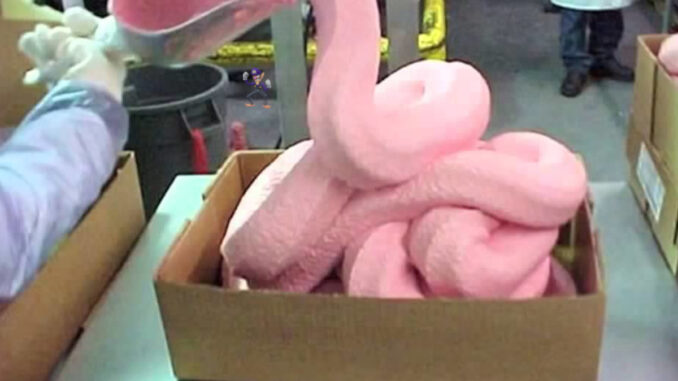
Pink Slime Ground Beef: What It Is, How Ammonia Is Used, and How to Avoid It
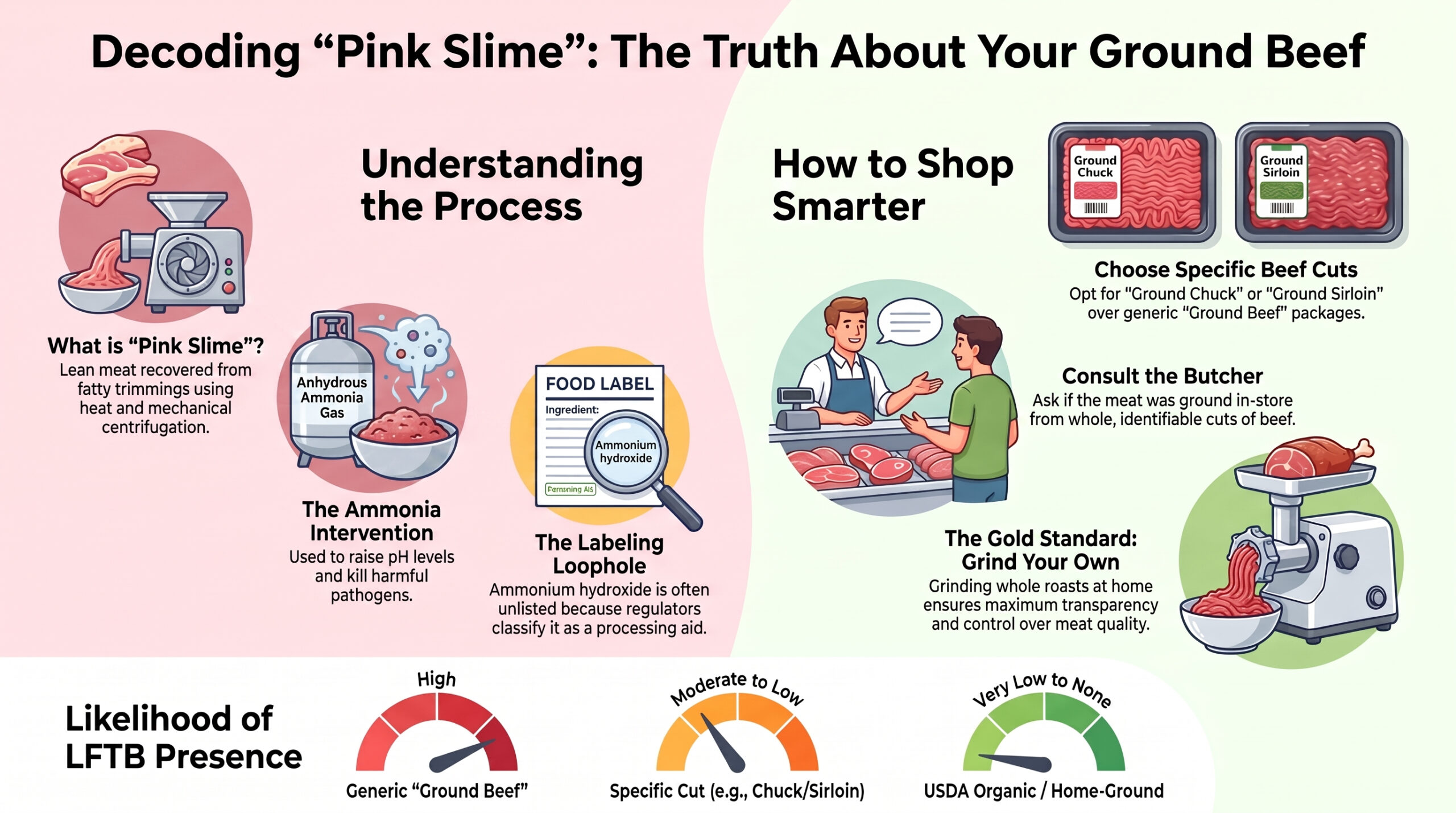
What Is “Pink Slime”?
“Pink Slime” is the controversial nickname for lean finely textured beef (LFTB), a product made by recovering lean beef from fatty trimmings generated during beef processing. The trimmings are mechanically separated to recover additional lean meat, producing a finely textured beef product that can subsequently be incorporated into ground beef. The nickname became widely known after media coverage brought attention to both the production process and the use of ammonia as a bacterial-control treatment.🐄
How Is Lean Finely Textured Beef Made?
The process begins with beef trimmings that contain both fat and lean meat. The material is warmed and mechanically processed so that the fat can be separated from the lean portion. Centrifugation is then used to separate the components, leaving a much leaner, finely textured beef product. The recovered beef can then be chilled or frozen and supplied to processors for use in ground beef and other beef products. (Every CRS Report)
Yes, Ammonia Has Been Used in the Process
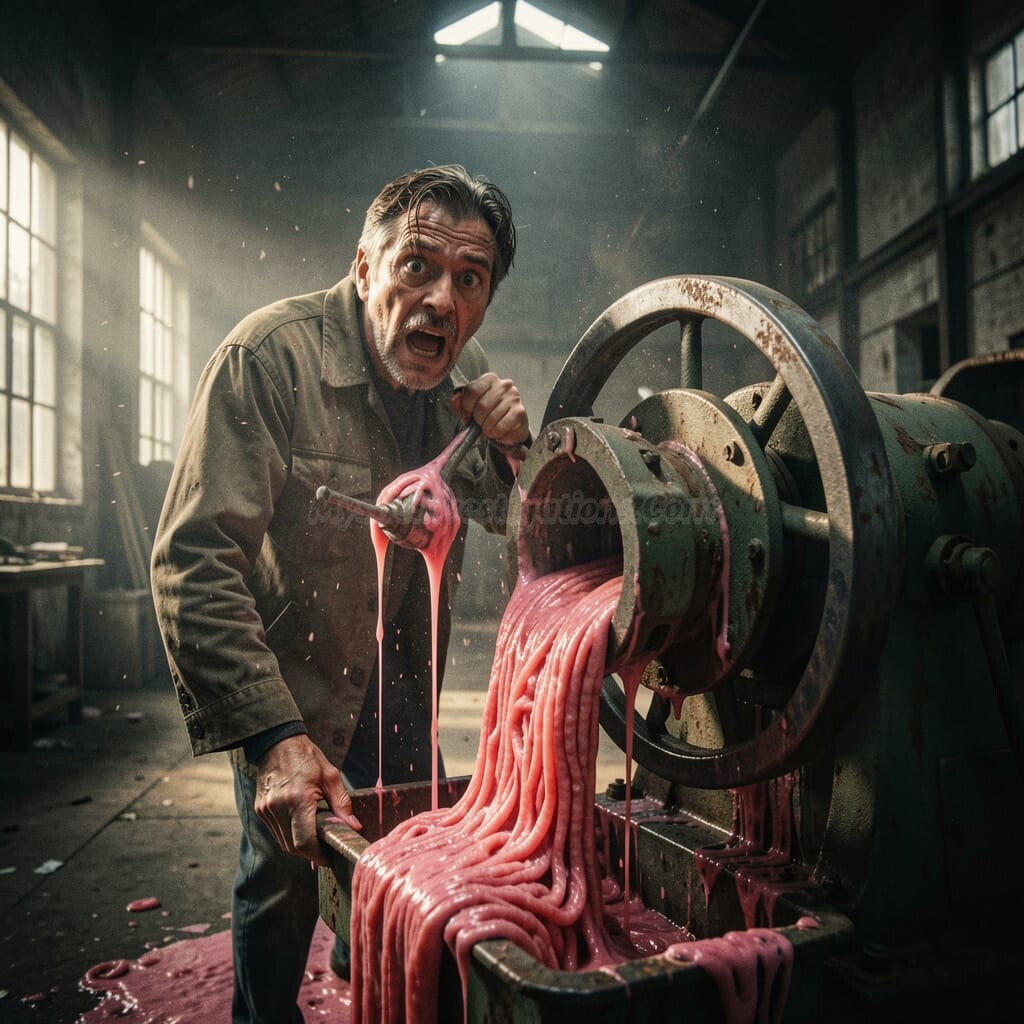
One of the most controversial aspects of LFTB is its use of anhydrous ammonia as an antimicrobial intervention. This is an important detail that is sometimes left out when discussing pink slime. USDA documentation explains that anhydrous ammonia can be applied to LFTB as a food-safety intervention. The ammonia reacts with moisture naturally present in the beef, producing ammonium hydroxide, which is the active compound involved in raising the product’s pH. (Food Safety News)
What Does the Ammonia Actually Do?
The purpose of the ammonia treatment is not to add flavor or preserve the beef in the conventional sense. It is intended to make the environment less favorable for harmful microorganisms. Raising the pH can reduce pathogens such as E. coli O157:H7 and Salmonella. The treatment is therefore a microbial-control step intended to reduce bacterial contamination before the beef is incorporated into other products. (Every CRS Report)

Is Liquid Ammonia Poured Onto the Meat?
This is where some popular descriptions of the process have been misleading. The process should not be understood as workers pouring household or industrial liquid ammonia over meat. USDA documentation describes anhydrous ammonia gas reacting with moisture in the beef to form ammonium hydroxide. The distinction matters because “meat treated with ammonia” can create a very different mental image from what the actual processing method involves. (Food Safety News)
What Happens to the Ammonia?
The ammonia treatment produces a temporary increase in pH rather than leaving the beef as a high-pH product indefinitely. USDA material has described the antimicrobial effect as momentary under the approved conditions of use. Ammonium hydroxide is also recognized by the FDA as generally recognized as safe (GRAS) for permitted food uses, and USDA’s Food Safety and Inspection Service maintains regulations governing substances that can be used in meat processing. (Congress.gov)
Why Isn’t Ammonium Hydroxide Necessarily Listed on the Label?
This is one of the most important points for consumers who want to avoid LFTB. When USDA approved ammonium hydroxide for this application, it was treated as a processing aid rather than an ingredient under the applicable labeling framework. Processing aids that meet the regulatory definition generally do not have to appear in the finished product’s ingredient statement. Consequently, a consumer cannot necessarily look at a conventional ground-beef ingredient label and see “ammonium hydroxide.” (Every CRS Report)

Does That Mean the Beef Is Dangerous?
At the same time, consumers are allowed to have preferences about how their food is produced. Someone may decide to avoid LFTB because they prefer ground beef made from identifiable whole cuts, want to minimize highly processed foods, or simply don’t want beef subjected to an ammonia-based antimicrobial treatment. That preference does not require claiming that the regulated product is inherently poisonous or unsafe.
Why Did Pink Slime Become Such a Huge Controversy?

The controversy exploded in 2012 when extensive media coverage revealed that LFTB was being incorporated into some ground beef products without consumers necessarily realizing it. The combination of finely textured beef, the unusual recovery process, and the ammonia treatment created a particularly disturbing image for many consumers. USDA’s Economic Research Service documented the dramatic consumer reaction and subsequent decline in demand following the media coverage. (Economic Research Service)

Can You Tell Pink Slime From Ordinary Ground Beef?
Unfortunately, you generally cannot identify LFTB simply by looking at ground beef. The color of raw ground beef isn’t a reliable indicator. Fresh beef can naturally appear red, purple, or pink depending on its exposure to oxygen, and LFTB can be incorporated into ground beef without creating an obvious visual signature. The same is true of the texture. Once LFTB has been mixed into conventional ground beef, the average shopper is unlikely to be able to determine its presence merely by examining the package.
Look for Ground Beef Made From a Specific Cut
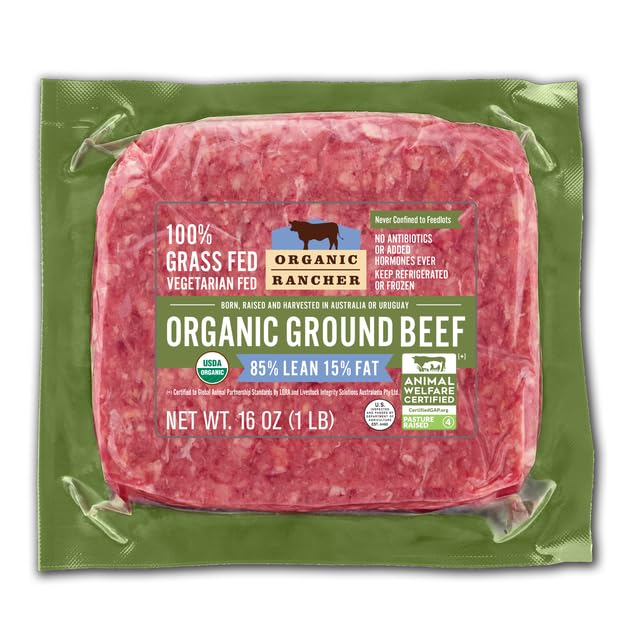
Ask the Butcher
One of the best ways to avoid uncertainty is to talk directly to the butcher or meat department. Ask whether the ground beef contains lean finely textured beef or other finely textured beef products. You can also ask whether the beef is ground in the store from whole cuts. A butcher who grinds a piece of chuck, sirloin, or another cut specifically for you provides considerably more transparency than a generic package of pre-ground beef whose processing history isn’t obvious.
Grind Your Own Beef
For consumers who want maximum control, grinding your own beef is the simplest solution. Purchase a whole chuck roast, sirloin, or another cut you prefer and grind it yourself using a meat grinder or appropriate food processor. You then know exactly which piece of beef went into your hamburger. This approach also lets you control the fat percentage and create your own blends. A combination of chuck and sirloin, for example, can produce a flavorful homemade ground beef without relying on commercially formulated ground beef.
Buy From a Producer That Clearly States Its Practices
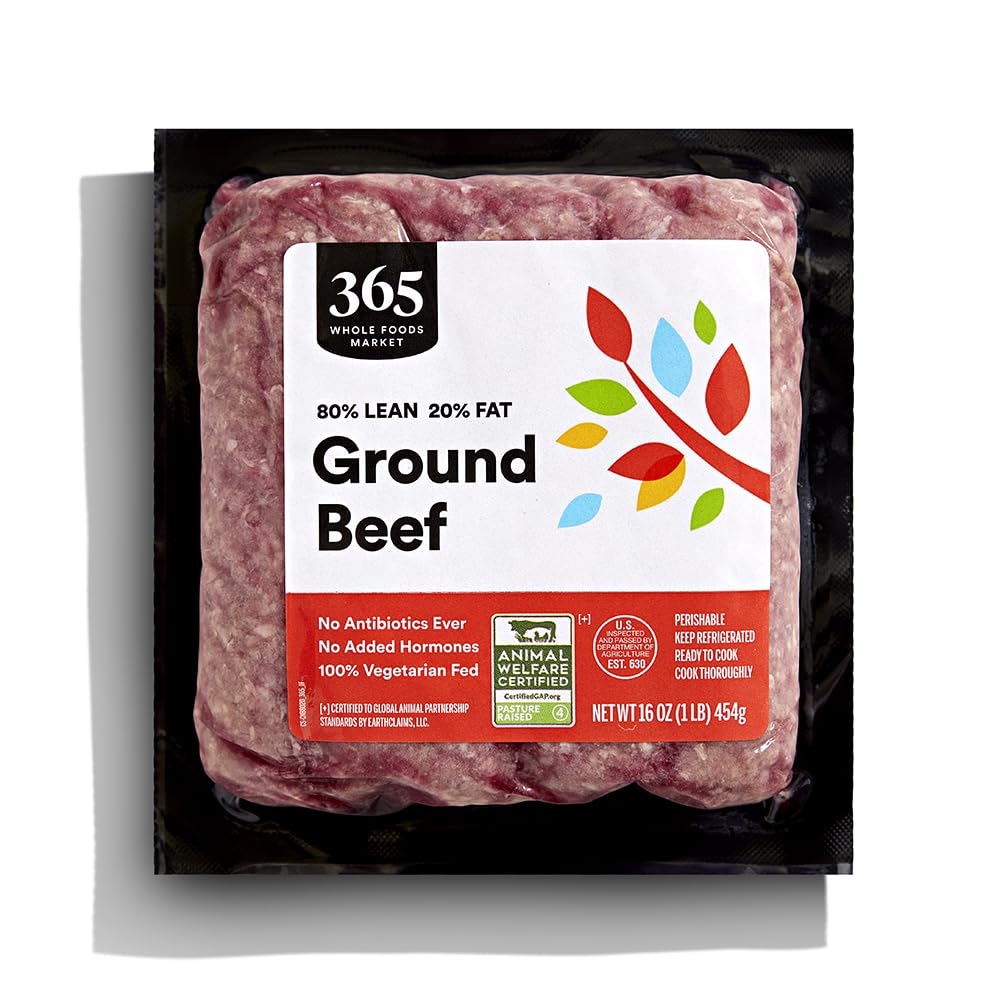
Don’t assume that a package labeled “natural,” “premium,” or “farm fresh” automatically means it is free of LFTB. Ask the producer directly if the information isn’t clear.
Don’t Rely on “No Ammonia” Claims Alone
Another important distinction is that LFTB can be produced using different antimicrobial treatments. Ammonium hydroxide has historically been associated with the best-known LFTB process, while other finely textured beef products have been treated using alternatives such as citric acid. (ScienceDirect)
Therefore, if your goal is to avoid all finely textured beef rather than simply avoiding ammonia-treated LFTB, ask specifically whether the ground beef contains LFTB, finely textured beef, or boneless lean beef trimmings.
Properly Cook Any Ground Beef You Buy
Avoiding LFTB doesn’t eliminate the ordinary food-safety concerns associated with ground beef. Bacteria can be distributed throughout ground meat during grinding, regardless of whether LFTB is present. The USDA recommends cooking ground beef to an internal temperature of 160°F (71°C), measured with a food thermometer.
The Simplest Way to Avoid Pink Slime
If you want the greatest certainty about what’s in your hamburger, buy a whole cut of beef and grind it yourself, or have a trusted butcher grind it for you. If you purchase packaged ground beef, choose products from producers that clearly explain their processing methods and ask questions when necessary. Ultimately, buying USDA-certified organic ground beef is the best way to avoid the dreaded pink slime! Grass-finished pasture raised is generally the best beef you can buy!
The controversy surrounding pink slime ultimately illustrates an important lesson about modern food production: a product can be legally approved and considered safe by regulators while consumers still reasonably want more information about how it was produced. Knowing that ammonia-based antimicrobial treatment has been used in LFTB allows shoppers to make that choice for themselves rather than relying solely on the appearance of the raw meat.🍔
Related Article: http://www.washingtonpost.com/news/morning-mix/wp/2014/05/23/the-pink-slime-saga-continues/


Leave a Reply
You must be logged in to post a comment.