Understanding Male Pattern Hair Loss
What Is Male Pattern Hair Loss?
Male pattern hair loss, or androgenetic alopecia, is one of the most common forms of hair thinning and baldness in men, though women can also experience similar thinning at the top of the scalp. It often begins with a receding hairline or gradual thinning around the crown. While genetics and hormones are often associated with this condition, researchers continue to explore additional factors that may contribute to hair follicle inactivity and reduced hair growth.
Hair Follicles May Not Be Completely Inactive
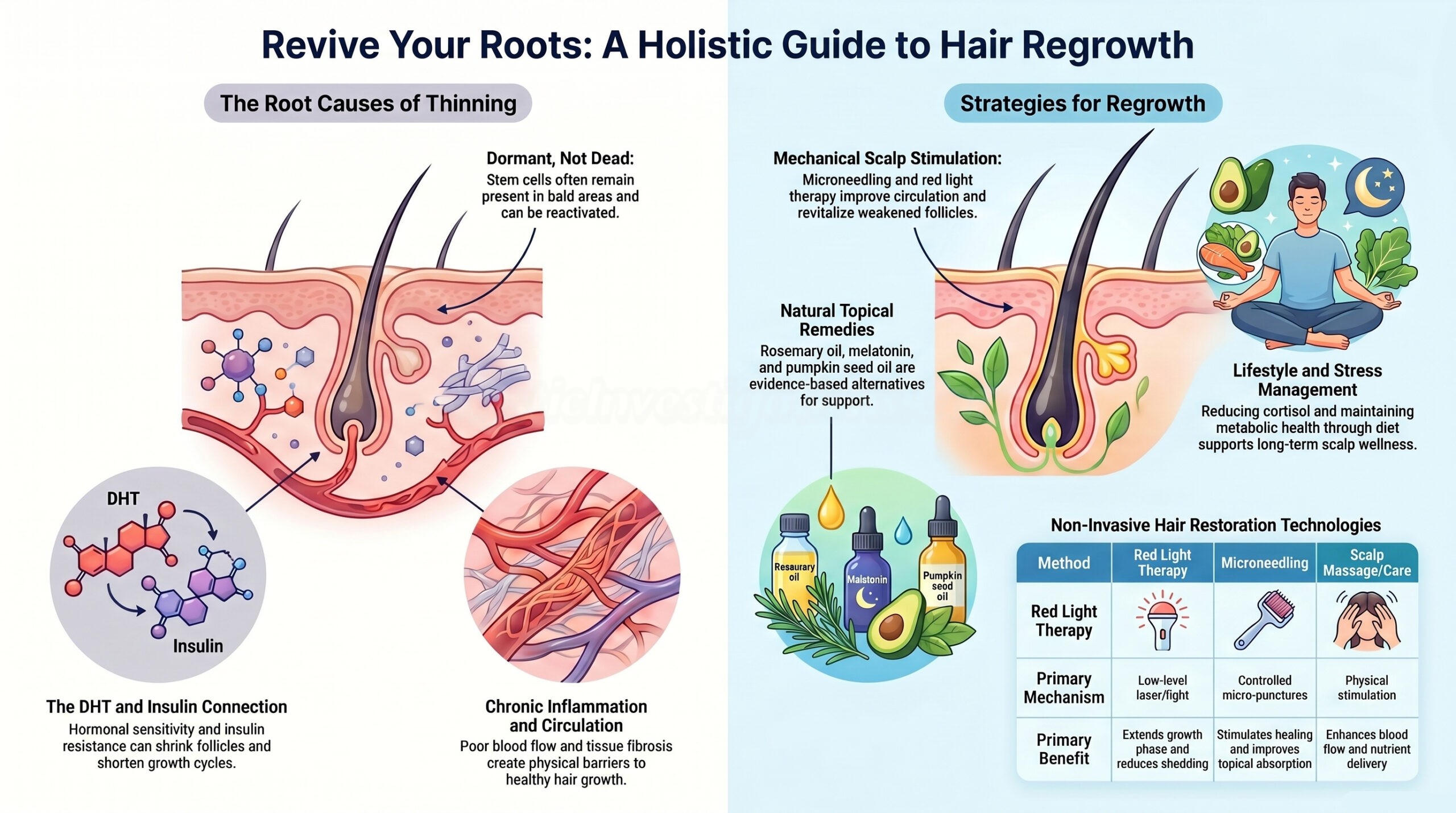
One important idea in hair loss research is that hair follicles may not necessarily be “dead” in bald areas. Instead, some studies suggest that stem cells responsible for hair growth can remain present but inactive. This means the follicles may still have potential for regrowth if the surrounding environment becomes more favorable. Factors such as reduced circulation, inflammation, or tissue changes around follicles may contribute to this dormancy.
The Role of Inflammation and Scalp Health
Inflammation may play a role in hair loss by affecting blood vessels and reducing circulation to hair follicles. Poor blood flow can limit oxygen and nutrients reaching the scalp, which may weaken follicles over time. Some researchers also suggest that tissue changes or fibrosis around follicles could create physical barriers that make healthy hair growth more difficult.
DHT and Hormonal Influence on Hair Loss
DHT, or dihydrotestosterone, is a hormone derived from testosterone and is commonly linked to male pattern baldness. In genetically sensitive individuals, DHT can shrink hair follicles, shortening the growth cycle and leading to thinner hair. However, DHT also has important roles in the body, including supporting puberty, facial hair development, and libido. Because of this, many treatments focus on balancing hormonal effects rather than eliminating DHT entirely.

Insulin Resistance and Metabolic Health
Some research has explored connections between insulin resistance and hair loss. Insulin resistance occurs when the body’s cells become less responsive to insulin, which can affect blood sugar regulation and contribute to inflammation. Since hair follicles rely on a healthy supply of nutrients and energy, poor metabolic health may indirectly influence scalp circulation and follicle performance. Maintaining balanced blood sugar levels and overall metabolic health may therefore be beneficial.
Dietary and Lifestyle Considerations
Lifestyle habits can significantly affect overall hair health. Reducing chronic inflammation through healthy eating, regular exercise, and proper sleep may support scalp circulation and hormone balance. Some people explore low-carb diets, intermittent fasting, or other metabolic-supportive habits, though these should be approached carefully and based on individual health needs. Managing stress is also critical, as elevated cortisol levels can worsen inflammation and potentially contribute to shedding.
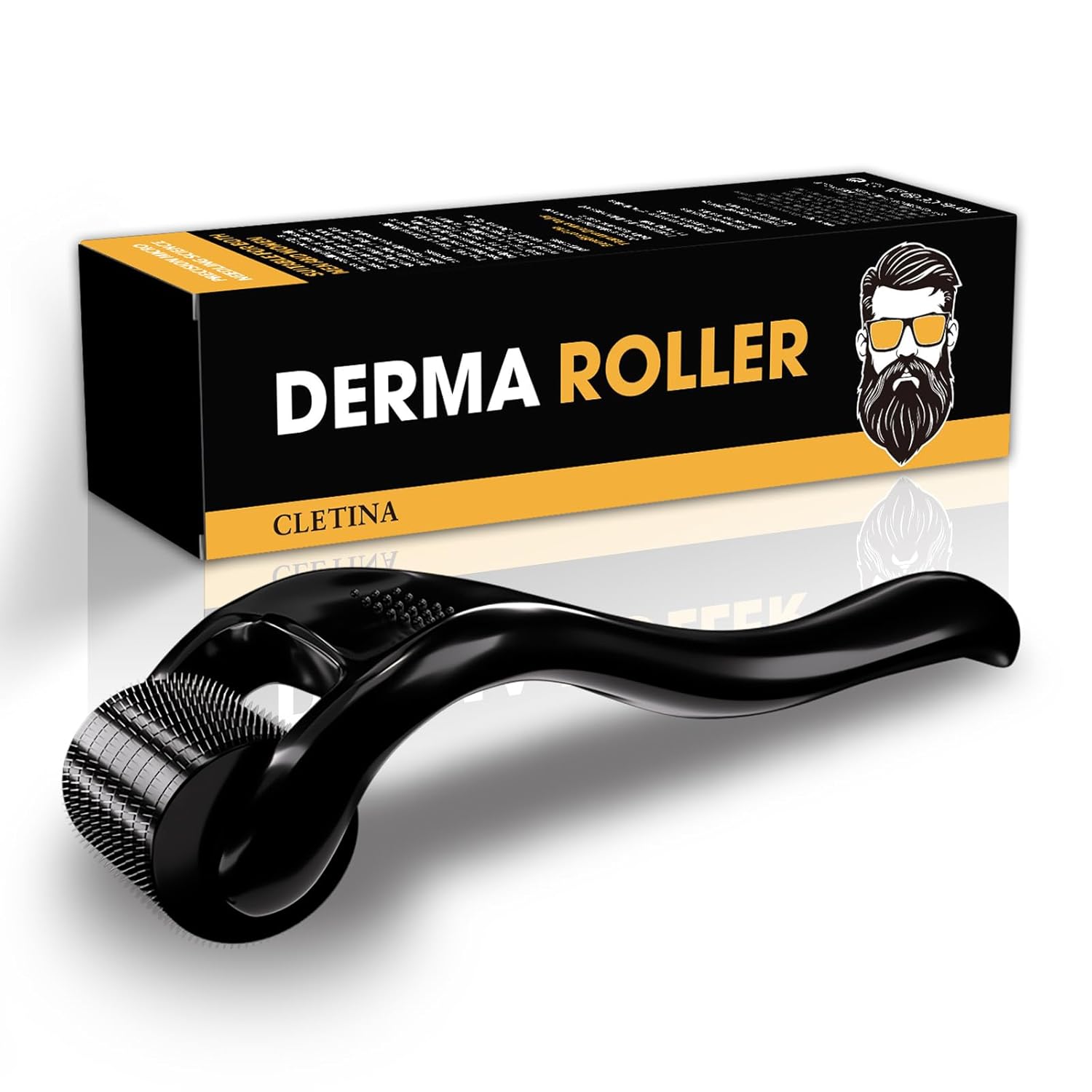
Microneedling and Scalp Stimulation

Topical and Natural Hair Growth Remedies

Red Light Therapy
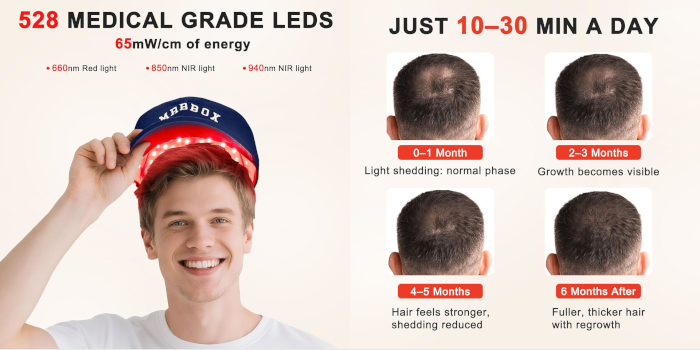
Researchers believe the light energy may help extend the hair growth phase while revitalizing weakened follicles that have shrunk due to genetic and hormonal factors. Although results vary from person to person, many users report thicker hair, reduced shedding, and slower progression of hair loss after several months of consistent use. Red light therapy is often combined with treatments like Minoxidil or Finasteride for enhanced results, offering a modern alternative for men seeking to combat baldness without surgery.

Stress and Its Impact on Hair Loss
Stress is another major factor that can contribute to hair shedding and worsening hair loss. High cortisol levels can increase inflammation and interfere with metabolic health. In some cases, hair loss may appear weeks or months after a stressful event. Long walks, quality sleep, relaxation techniques, and reducing chronic stress may help improve overall wellness and potentially support healthier hair growth.
A Holistic Approach to Hair Health
Male pattern hair loss is a complex issue involving genetics, hormones, scalp health, circulation, metabolism, and lifestyle factors. While no single solution works for everyone, a combination of medical guidance, healthy habits, scalp care, and evidence-based treatments may offer the best results. Understanding the underlying causes can help individuals make informed decisions about managing hair loss and improving long-term scalp health.🤠