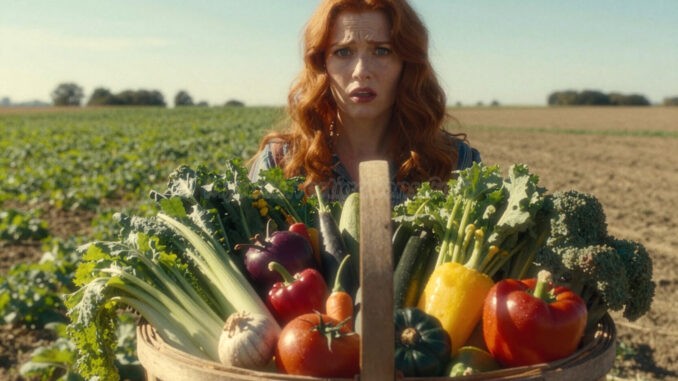
The Forgotten Origin of Our “Natural” Foods
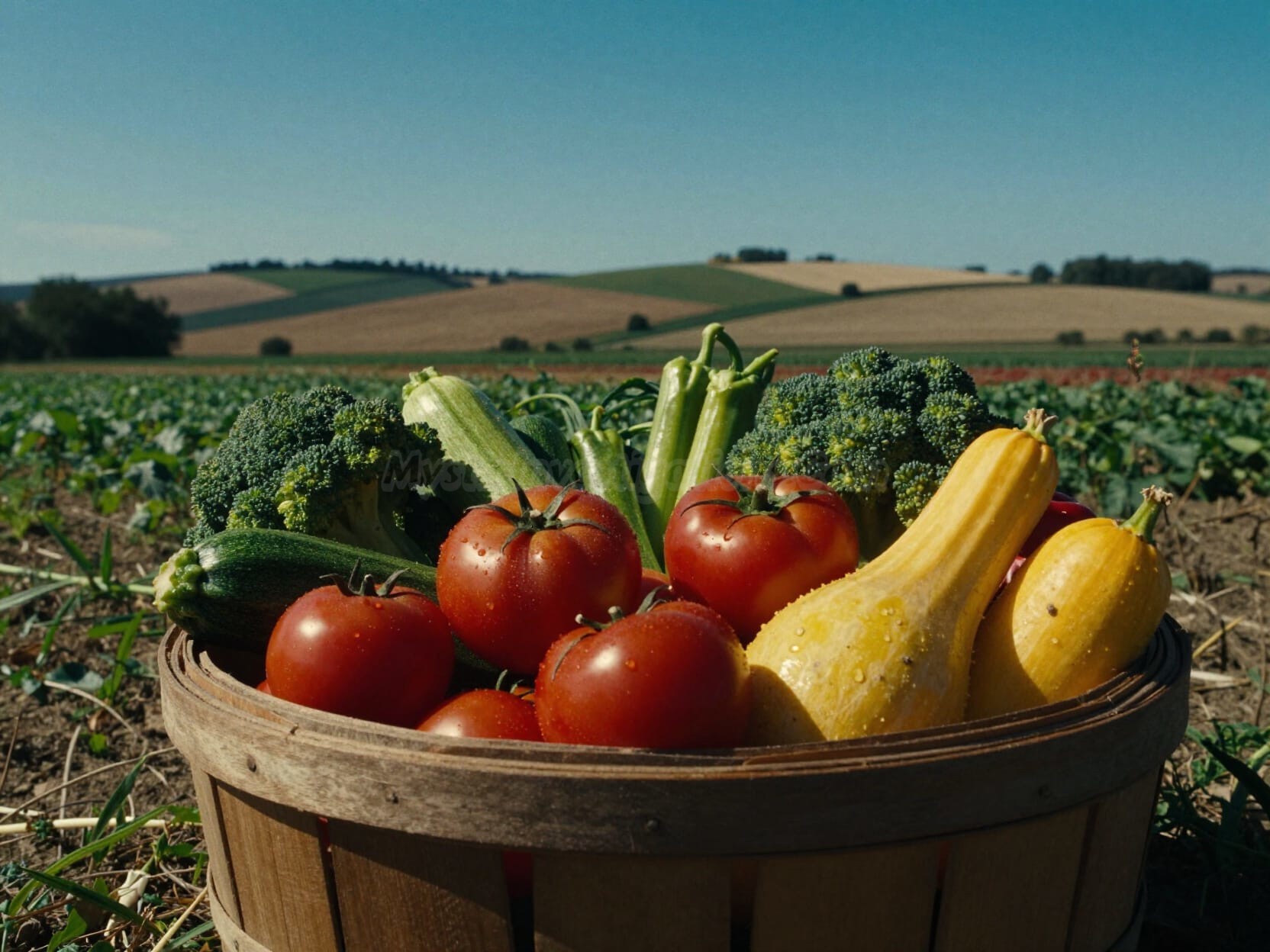
Most people assume that the fruits and vegetables lining grocery store shelves are timeless, natural foods humans have always eaten. Historical and biological evidence appears to prove this assumption deeply misleading. Many of the plants we now consider dietary staples did not exist in their modern form for the vast majority of human history. In fact, many appeared only within the last few thousand years, with some emerging as recently as a few centuries ago. This includes bananas, carrots, corn, potatoes, apples, and even leafy greens!
Humans Before Agriculture: Apex Predators of the Ice Age
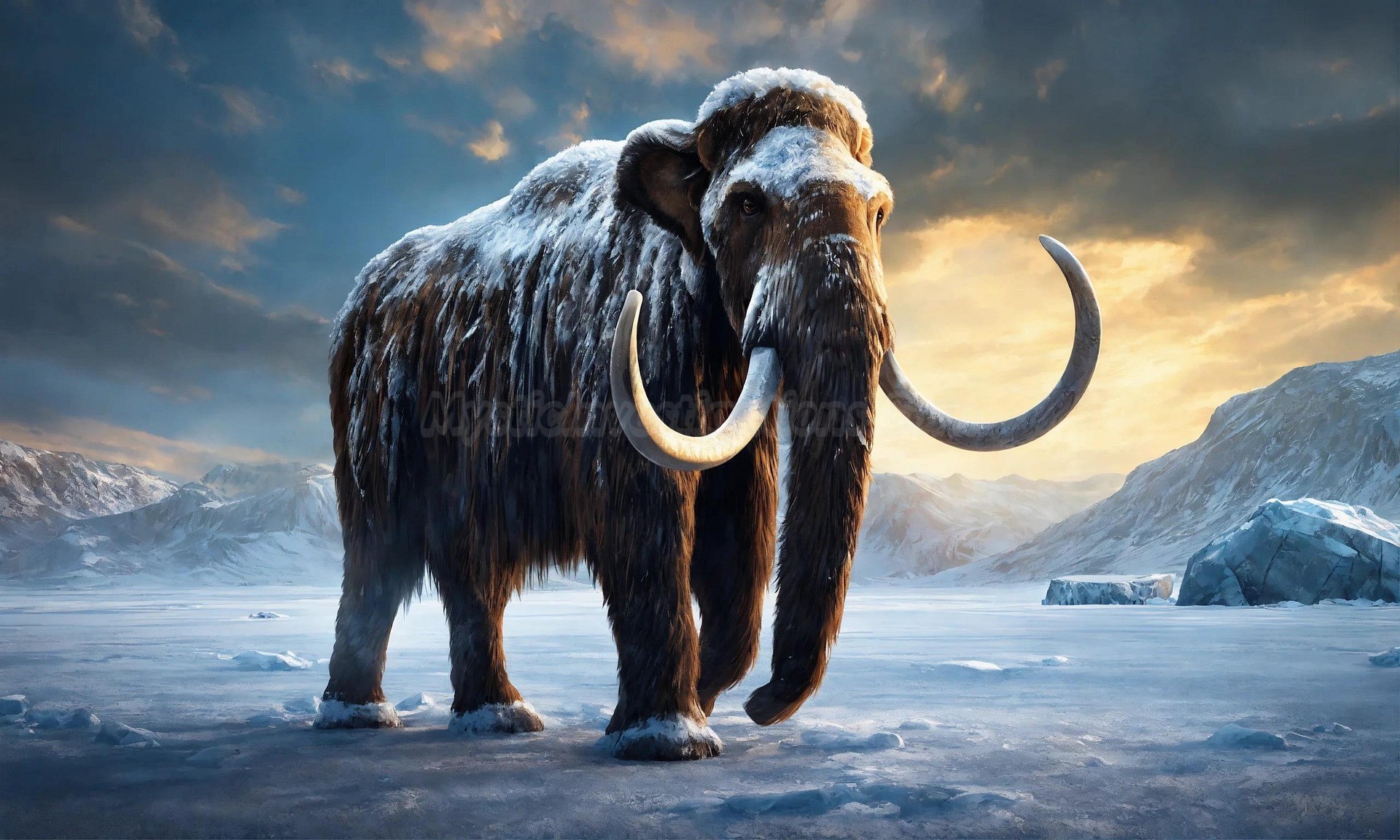
For most of human existence stretching back over 10,000 years humans lived as hunter-gatherers during the Ice Age. Fossil evidence shows that humans occupied the very top of the food chain as Apex Predators, even above large carnivores like wolves and big cats. This conclusion is based on nitrogen-15 isotope analysis, a trophic marker that increases with meat consumption. Every human fossil from this period shows extremely high nitrogen-15 levels, indicating a heavily meat-based diet.
Why Early Humans Could Not Rely on Plants

Wild plants during this era were scarce, seasonal, and often inedible. Ice coverage limited plant availability to a few weeks per year in many regions, and most wild plants contained high levels of toxic defense compounds. According to many sources, humans could only consume small quantities of certain plants without being poisoned, making plants an unreliable primary food source.
The Agricultural Crisis After the Ice Melt

When the Ice Age ended around 12,000 years ago, global temperatures rose rapidly. Large megafauna, the primary food source for humans, began to disappear. Likely due to a combination of climate change and overhunting. Faced with a collapsing meat supply and a growing population, humans were forced to find an alternative food system.

Plants as a Last Resort, Not an Evolutionary Match

Plants became attractive not because they were ideal foods, but because they were easier to store and grow in large quantities. However, wild plants were small, fibrous, bitter, and toxic. Early versions of corn resembled sparse grasses, potatoes were tiny and poisonous, and grains yielded very little usable energy. Agriculture was born out of desperation, not biological suitability.
Rewiring Nature Through Selective Breeding

Man-Made Vegetables Through Crossbreeding

Beyond selective breeding, humans also created entirely new vegetables through crossbreeding. Broccoli, cauliflower, cabbage, kale, and Brussels sprouts all descend from a single wild plant known as the ancient wild mustard. By emphasizing different plant traits such as leaves, stems, or flower buds, humans engineered whole families of vegetables that never existed in nature.
Fruits Were Engineered For Energizing Sugar
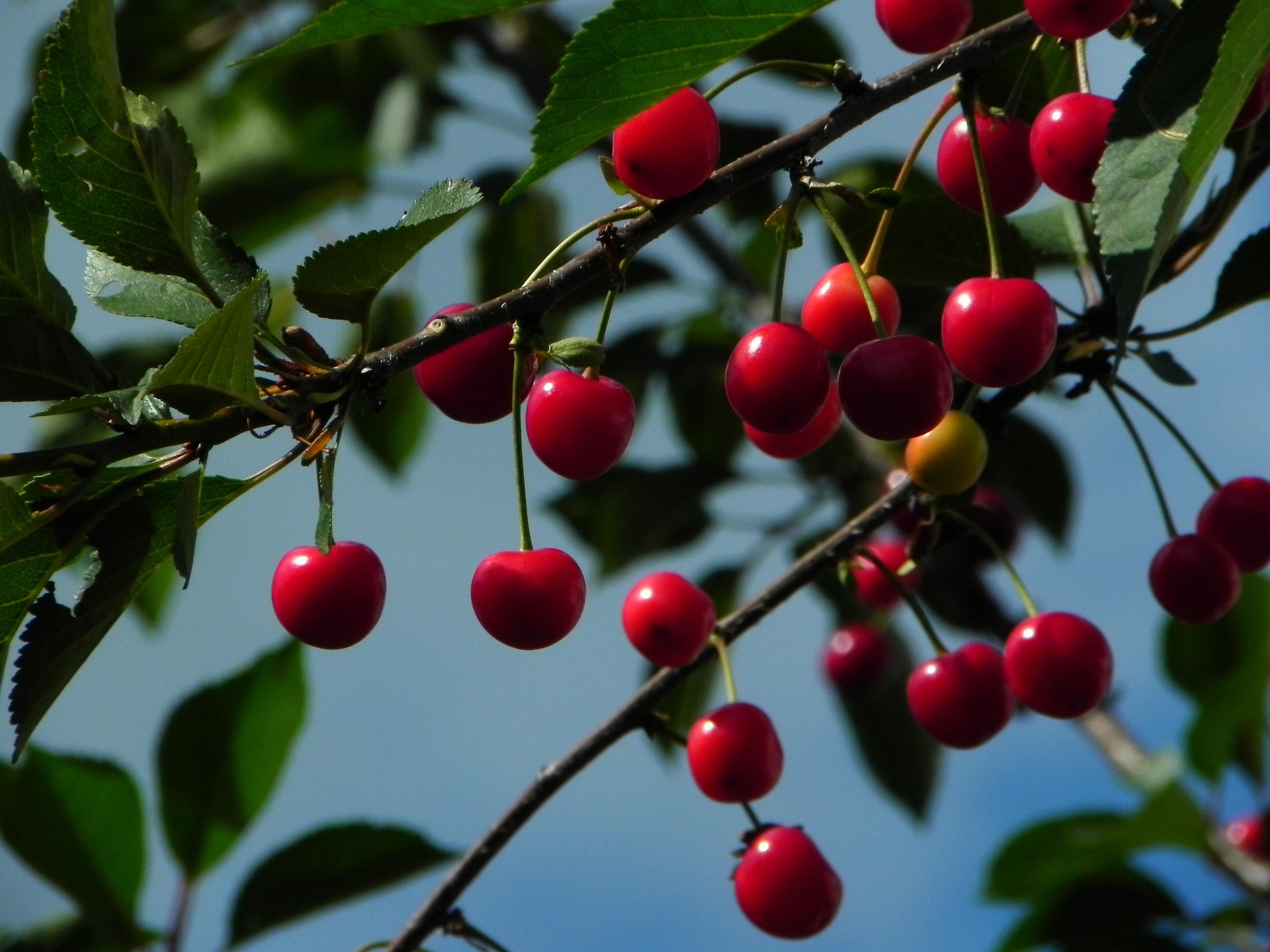
Modern fruits are no exception. Bananas were created through crossbreeding two wild species around 7,000 years ago, while the Cavendish banana emerged only in 1834. Apples were selectively bred from small, sour fruits into sweet, sugar-dense varieties. Watermelons, once pale and bitter, now contain roughly 400 times more sugar than their wild ancestors.

Plants Defend Themselves With Toxins
Unlike animals, plants cannot flee or fight physically to defend themselves against predators. Instead, they use chemical defense systems. Every plant contains toxic compounds, such as oxalates, tannins, and other anti-nutrients designed to deter consumption. These compounds can bind minerals, irritate tissues, and interfere with digestion. According to the source, bitterness exists specifically to warn animals of toxicity.
Human Physiology Resembles Carnivores, Not Herbivores

Animals that thrive on plants possess specialized digestive systems, such as multi-chambered stomachs or massive fermentation chambers. Humans lack these adaptations. Instead, the human digestive tract more closely resembles that of carnivorous animals, with limited ability to neutralize plant toxins or ferment fiber effectively.
The Health Decline After Agriculture
Species-Appropriate Diets and Modern Disease
Across biology, animals thrive when eating what they evolved to eat while needlessly suffering when they don’t. The source compares humans to other species fed evolutionarily mismatched diets, citing obesity, diabetes, inflammation, and reproductive failure. From grain-fed cattle to plant-fed carnivorous fish, the pattern remains consistent.
The Central Claim: Plants Are Human Creations, Not Human Foods
Modern fruits and vegetables are not ancestral human foods, but rather engineered survival tools created under extreme pressure. Humans evolved as apex predators consuming animal-based nutrients critical for brain and body development. While agriculture solved food scarcity, it came at the cost of health, strength, and biological alignment. Simply put, we would have never evolved into the intelligent species we are now without massive meat protein consumption!🐷